



Twenty Years of Cavus & Coskunsu
Cavus & Coskunsu marked its twentieth anniversary with colleagues, clients and friends of the firm in Istanbul. Founded in 2006 on the idea that shipping law is better practised by people who understand how ships operate, the firm now advises owners, charterers, P&I clubs and insurers across ten practice areas. A look back — and forward.

Türkiye’s 12th Judicial Reform Package: Key Changes
The Grand National Assembly has adopted the 12th Judicial Reform Package, amending a wide range of statutes. The changes most relevant to our clients concern judicial sale and bidder default rules, the abolition of the action for an indeterminate receivable, new monetary thresholds for appeal and cassation, and a recast statutory interest regime following the Constitutional Court's annulment. Not all provisions enter into force on the same date.

PANORAMIC – SHIPPING Türkiye
The Turkey chapter presents a comprehensive yet accessible overview of the country’s maritime law framework. It outlines the key rules governing shipbuilding contracts, including the transfer of title, refund guarantees, delivery disputes and shipyard liabilities. The report also explains the registration regime for vessels and vessels under construction, the documentation required for registration, mortgage formalities and the limitations surrounding dual registration.

ICLG – INSURANCE & REINSURANCE 2025
This chapter provides a concise overview of the insurance and reinsurance framework in Turkey. It outlines the key regulatory authorities, including the Ministry of Treasury and Finance and the Insurance and Private Pension Regulatory and Supervisory Authority (SEDDK), and summarises the licensing and operational requirements for domestic and foreign insurers.

PANORAMIC – INSURANCE & REINSURANCE Türkiye
This chapter provides a concise overview of the insurance and reinsurance framework in Turkey. It outlines the key regulatory authorities, including the Ministry of Treasury and Finance and the Insurance and Private Pension Regulatory and Supervisory Authority (SEDDK), and summarises the licensing and operational requirements for domestic and foreign insurers.
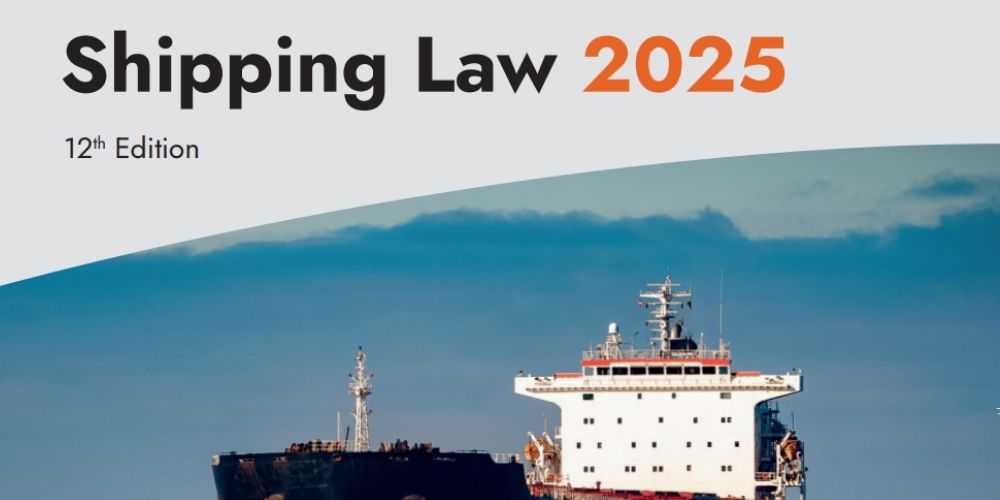
ICLG – Shipping Law 2025 12th Edition
The Turkey chapter presents a comprehensive yet accessible overview of the country’s maritime law framework. It outlines the key rules governing shipbuilding contracts, including the transfer of title, refund guarantees, delivery disputes and shipyard liabilities. The report also explains the registration regime for vessels and vessels under construction, the documentation required for registration, mortgage formalities and the limitations surrounding dual registration.



Changes to Rules on Arrest of Ships — Maritime Claims and Right of Arrest
Comment Regulations on the arrest of ships were amended by the Commercial Code 6102, which entered into force on July 1 2012. Most of the new provisions regarding the arrest of ships in the code were taken from the International Convention on Arrest of Ships 1999. Prior to the 2012 amendments, the code had no separate rule regarding the arrest of ships or maritime claims. Maritime claims and right of arrest Maritime claims are divided into 22 categories under Article 1352 of the Commercial Code. The code entitles a claimant to seek the right of arrest to secure a maritime claim or claims

MARITIME LIENS CLAIMABLE IRRESPECTIVE OF CHANGE IN VESSEL OWNERSHIP
Vessel Ownership July 13 2016 | Contributed by Cavus & Coskunsu Law Firm Introduction Following the adoption of the new Commercial Code (6102), the rules regarding the arrest of ships for a maritime claim right were amended in line with the provisions of the International Convention on the Arrest of Ships 1999. As a result, if the ownership of a vessel changes before a request for arrest is made, an arrest order cannot be obtained against the new owner. This rule does not apply for maritime liens, as they provide the owner of a legal lien with rights over the vessel; maritime liens apply irrespective of change in